




-
Ferguson Electric LLC
-
 Electrical Safety
-
 0 Comments
-
 March 30, 2026
7 Electrical Mistakes Homeowners Make in Grants Pass, OR
Plugging Too Many Devices Into a Single Outlet
One of the most common electrical hazards occurs when homeowners plug multiple high-wattage appliances into a single outlet or power strip. During Southern Oregon’s cold winter months, it’s tempting to run multiple space heaters simultaneously to supplement home heating, but this practice can quickly overload a circuit.
Each electrical circuit in your home is designed to handle a specific amperage load, typically 15 or 20 amps for standard household circuits. When you exceed this capacity, the wiring heats up, insulation degrades, and the risk of electrical fire increases dramatically. Signs of an overloaded circuit include frequently tripped breakers, flickering lights, warm or discolored outlets, and a burning smell near electrical fixtures.
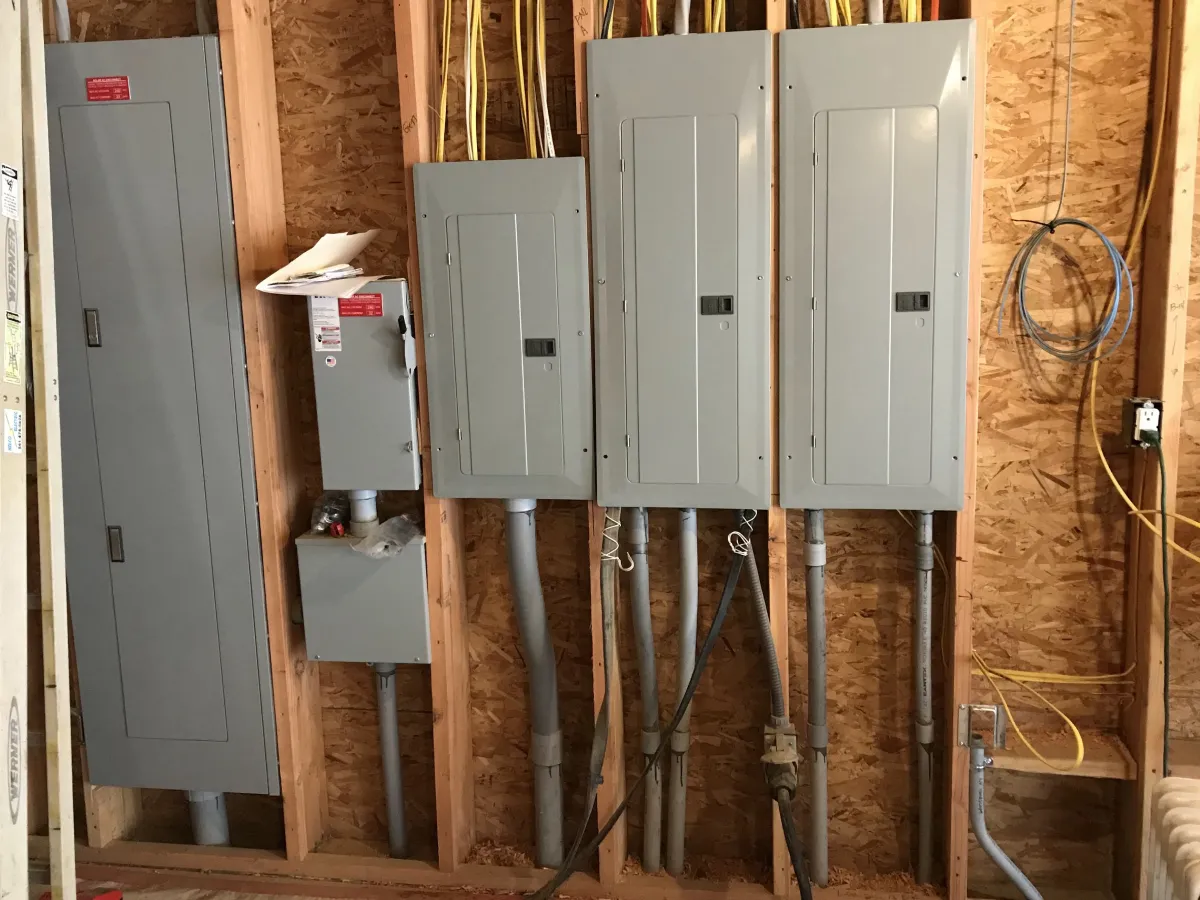
Calculate the total wattage of devices before plugging them in together. Space heaters alone can draw 1,500 watts, consuming most of a 15-amp circuit’s capacity. Add a vacuum cleaner or hair dryer to that same circuit, and you’re asking for trouble. If you regularly trip breakers or need more power capacity in certain areas, your home may require electrical panel upgrades or additional dedicated circuits.
Attempting Complex Repairs Without Proper Training
With countless online tutorials available, many homeowners feel confident tackling electrical projects themselves. While changing a light bulb or resetting a breaker is safe, more complex work involving wiring, circuit installation, or panel modifications carries serious risks.
Electricity is unforgiving. A single wiring mistake can create hazards that remain hidden for months or years before causing a fire or electrocution. Improperly installed connections can arc, creating intense heat that ignites surrounding materials. Reversed polarity can make metal fixtures and appliances live with dangerous voltage. Missing ground connections eliminate a critical safety feature designed to protect you from shocks.
Oregon law requires permits for most electrical work beyond simple repairs, and these permits exist for good reason. Licensed electricians understand code requirements, proper wire sizing, connection techniques, and safety protocols that protect your family. Insurance companies may also deny claims for damages resulting from unpermitted DIY electrical work. When you need installations or repairs, working with qualified professionals ensures the job is done safely and correctly. For projects ranging from lighting installations to complete rewiring, professional service provides both safety and peace of mind.
Skipping Ground Fault Circuit Interrupters in Wet Areas
Ground Fault Circuit Interrupters (GFCIs) are specialized outlets designed to shut off electrical power instantly when they detect current leakage, preventing potentially fatal shocks. Modern electrical codes require GFCI protection in bathrooms, kitchens, laundry rooms, garages, outdoor outlets, and anywhere electricity and moisture might meet.
Many older homes in the region were built before current GFCI requirements took effect, leaving residents vulnerable in high-risk areas. Even a small amount of water contact can create a pathway for electrical current to travel through your body to the ground. GFCI outlets detect this imbalance in milliseconds and cut power before serious injury occurs.
Beyond installation, GFCI outlets require regular testing to ensure they function properly. Press the ‘Test’ button monthly to verify the outlet trips, then press ‘Reset’ to restore power. If the outlet doesn’t trip when tested or won’t reset, replacement is necessary immediately. Outdoor outlets face particular stress from Oregon’s wet climate, with moisture infiltration degrading connections over time. If your home lacks adequate GFCI protection or you notice outlets not functioning correctly, schedule an inspection to identify areas needing upgrades.
Exceeding Fixture Wattage Ratings
Every light fixture carries a maximum wattage rating determined by how much heat the fixture can safely dissipate. Installing bulbs that exceed this rating seems harmless, but the excess heat can melt wire insulation, damage the fixture socket, and ignite nearby combustible materials.
The issue becomes particularly common when homeowners want brighter lighting but don’t want to replace fixtures. A table lamp rated for 60 watts seems dim compared to modern expectations, so a 100-watt bulb gets installed instead. The additional 40 watts generates significantly more heat, concentrated in a small enclosed space where insulation, shades, and other materials sit close to the bulb.
LED bulbs have changed this equation considerably. A 15-watt LED can produce the same light output as a 100-watt incandescent while generating far less heat. This makes LEDs safer in virtually all fixtures while also reducing energy costs. However, the maximum wattage rating still applies, referring to actual consumption rather than equivalent brightness. If you need brighter lighting throughout your home, consider upgrading to fixtures designed for higher output or installing additional light sources. Professional lighting design services can transform your space safely while meeting your brightness requirements.
Neglecting Necessary Upgrades and Inspections
Homes built several decades ago were designed for a fraction of the electrical load modern households demand. Back then, a typical home had a refrigerator, a television, and basic lighting. Today’s homes power computers, smart devices, electric vehicle chargers, high-efficiency HVAC systems, and countless other electronics simultaneously.
Older electrical systems often feature undersized service panels (60 or 100 amps versus today’s standard 200 amps), outdated wiring types like knob-and-tube or aluminum, and insufficient circuit capacity. These systems struggle to handle modern demands safely. Frequent breaker trips, dimming lights when appliances start, and the inability to add new circuits all indicate your electrical system needs attention.
Beyond capacity issues, wiring insulation deteriorates over time. The rubber or cloth insulation common in older homes becomes brittle and cracks, exposing bare conductors that can arc and spark. Two-prong outlets lack the ground connection that protects against shocks and equipment damage. Older panels may use fuses instead of breakers, and some homeowners dangerously install oversized fuses to prevent frequent blowouts.
Schedule regular electrical inspections, especially if your home is over 40 years old or you’ve never had the system evaluated. Professional assessment identifies hidden hazards and recommends priorities for updates. Whether you need complete rewiring, panel upgrades, or targeted improvements, addressing these issues protects your family and increases your home’s value. From complete wiring installations to remodeling projects, qualified electricians bring your home’s electrical system into compliance with current safety standards while meeting your household’s power needs.
